Right, let’s get down to the nitty-gritty of keeping your outdoor spaces spick and span! If you’ve ever cast a weary eye over a moss-covered patio, a grimy driveway, or even just some tired-looking garden furniture, chances are you’ve pondered the best way to get it sparkling again. And that’s where the trusty pressure washer comes into play. But it’s not always as simple as grabbing a hose and pressing a button, is it?
Today, we’re diving deep into the world of high-pressure cleaning, pitting “jet washing” against “DIY pressure washing.” It might seem like splitting hairs to some, but trust me, there’s a fair bit to unpick, especially if you’re aiming for truly superior results without inadvertently causing a whole lot of bother.
Let’s clear the air right from the off, because this is where a lot of confusion lies. You’ll hear people use “jet washing” and “pressure washing” almost interchangeably, and for good reason! In the vast majority of cases, they refer to the exact same thing: cleaning surfaces with a focused stream of high-pressure water.
The Linguistic Nuance
In the UK, “jet washing” is a very common term, often conjuring images of professional services arriving with powerful equipment. However, globally and within the industry, “pressure washing” is perhaps the more universal and technically precise term for the process. But here’s the crucial takeaway: the name itself generally does not dictate the performance or the power of the equipment being used. Whether you call it jet washing or pressure washing, what truly matters is the GPM (gallons per minute) and PSI (pounds per square inch) – the real indicators of a machine’s cleaning prowess. So, let’s not get too hung up on the name; instead, let’s focus on the power behind the spray.
The Core Principle
At its heart, both terms describe the act of using a pump to accelerate water, forcing it through a narrow nozzle at high velocity. This concentrated stream, thanks to its sheer kinetic energy, effectively dislodges dirt, grime, algae, mould, and even old paint from surfaces. It’s an incredibly efficient way to clean, far superior to scrubbing by hand, but as we’ll explore, not all high-pressure cleaning setups are created equal.
The Allure of DIY Pressure Washing: Convenience and Cost-Effectiveness
There’s a definite charm to the idea of a DIY pressure washing project. You can pop down to your local B&Q or Argos, pick up a domestic pressure washer, and be blasting away grime within the hour. It’s accessible, it feels empowering, and for many, it’s the go-to solution for everyday outdoor cleaning.
Accessibility and Immediate Satisfaction
- Readily Available Equipment: Domestic pressure washers are a common sight in hardware stores and online retailers. There’s a huge range, from compact electric models perfect for small jobs to slightly more powerful petrol-driven ones. This accessibility means you can often tackle a cleaning task whenever the mood strikes, without waiting for a professional.
- Perceived Cost Savings: Buying a DIY pressure washer often feels like a sound investment, especially if you anticipate using it multiple times over the years. Compared to the upfront cost of hiring a professional service, a domestic machine can seem like the more budget-friendly option in the long run.
Suitable for Lighter Cleaning Tasks
- Small Patios and Decking: For regular maintenance of smaller patios or decking areas that aren’t heavily soiled, a DIY pressure washer can do a decent job of lifting surface dirt and some fresh algae.
- Garden Furniture: Removing green slime and general dirt from garden furniture is typically well within the capabilities of a domestic machine, provided you use the right nozzle and a gentle approach.
- Vehicle Washing (with Caution): Many people use their DIY pressure washer for car washing. When done correctly, with appropriate pressure settings and dedicated car washing nozzles, it can be effective for removing loose dirt. However, as we’ll discuss, there are significant caveats.
The Catch: Limitations and Risks
While DIY pressure washing offers convenience, it’s crucial to understand its limitations. The “cost-effective” approach can sometimes lead to less-than-stellar results, or worse, unintended damage.
- Lower Power Output: The biggest difference between a consumer-grade pressure washer and professional equipment lies in its power. DIY machines typically operate at lower PSI and GPM ratings. This means they simply can’t generate the same force required to tackle stubborn, deeply ingrained grime, heavy mould, or long-standing stains. You might spend hours going over the same spot, only to find the results are patchy or not as thorough as you’d hoped.
- Greater Risk of Surface Damage: This is a big one. While seemingly less powerful, even a domestic pressure washer can cause significant damage if misused.
- Wrong Nozzle Selection: Using a concentrated “pencil jet” nozzle on a delicate surface like wood can gouge and splinter it.
- Incorrect Pressure: Too high a pressure for a given surface (e.g., soft sandstone, painted surfaces, or even certain types of concrete) can strip paint, erode the surface, or leave permanent etch marks.
- Proximity to Surface: Holding the nozzle too close to the surface concentrates the pressure, increasing the risk of damage.
- Delicate Surfaces: Consumer Reports rightly warns that roofs and cars are particularly vulnerable to damage from pressure washing. Roof shingles can be lifted and damaged, leading to leaks, while car paint can be stripped or scratched, especially if there are existing chips.
- Ineffective for Heavy Soiling: If you’re dealing with years of built-up black spot on your patio, deeply embedded oil stains on your driveway, or widespread lichen, a DIY machine will likely fall short. You’ll clean the surface layer, but the roots of the problem, particularly biological growths, often remain, leading to a quick reappearance.
- Nozzle Choice and Technique: While DIY machines come with various nozzles, understanding which one to use and at what distance requires a degree of knowledge and experience. Without it, you’re essentially guessing, which increases both the risk of damage and the likelihood of suboptimal cleaning. Many DIY guides recommend starting with low pressure and testing in an inconspicuous area first – excellent advice that often gets overlooked in the eagerness to clean.
The Professional Edge: Superior Results and Expertise
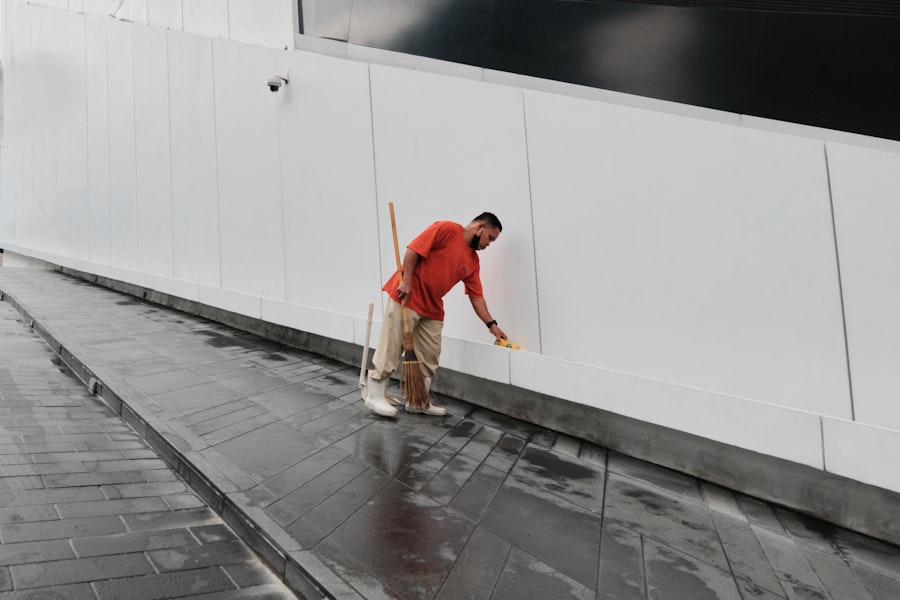
When it comes to achieving truly superior results, especially for challenging cleaning tasks, professional pressure washing services (or “jet washing” as they’re often known) consistently come out on top. This isn’t just about a bigger machine; it’s a combination of equipment, expertise, and a comprehensive approach.
High-Powered Equipment and Specialised Solutions
- Industrial-Grade Machines: Professional operators use commercial-grade pressure washers that boast significantly higher PSI and GPM ratings than anything you’d typically find in a DIY store. This raw power allows them to clean more effectively and efficiently, cutting through stubborn grime, mould, and lichen that domestic machines simply can’t shift.
- Hot Water Capabilities: Many professional machines can heat water, a game-changer for dissolving grease, oil, and ingrained dirt. Hot water pressure washing significantly enhances cleaning power, making short work of jobs that cold water struggles with.
- Specialised Cleaning Solutions: Professionals have access to and expertise in using specific, biodegradable cleaning solutions designed for particular types of grime or surfaces. These aren’t just generic detergents; they’re formulated to safely break down everything from black spot lichen to rust stains, often pre-treating surfaces for optimal results. This chemical assistance, combined with high pressure, ensures a much deeper and longer-lasting clean.
Expertise and Damage Prevention
- Knowledge of Surfaces: A key advantage of hiring a professional is their understanding of different surfaces. They know which pressure levels are safe for various materials – from delicate sandstone to robust concrete – and how to adjust their technique accordingly. This minimises the risk of erosion, streaking, or permanent damage.
- Correct Nozzle and Technique: Professionals are trained in selecting the appropriate nozzle for each job and surface, ensuring maximum cleaning efficiency without causing harm. They understand the optimal distance and angle to hold the wand, preventing “striping” or gouging.
- Pre-Treatment and Post-Treatment: Beyond just spraying water, professionals often pre-treat surfaces with appropriate cleaning agents to loosen dirt and kill biological growth like algae and moss. After cleaning, they might apply sealants or inhibitors to prolong the cleanliness and protect the surface from future re-growth.
Efficiency and Time Savings
- Faster and More Thorough: Due to their powerful equipment and systematic approach, professionals can complete large or heavily soiled areas much faster than a DIY enthusiast. This saves you valuable time and effort.
- Consistent Results: Their expertise ensures a uniform and consistent clean across the entire surface, avoiding the patchy or uneven results often seen with DIY attempts.
The Perils of Inexperienced Pressure Washing: Damage and Disappointment
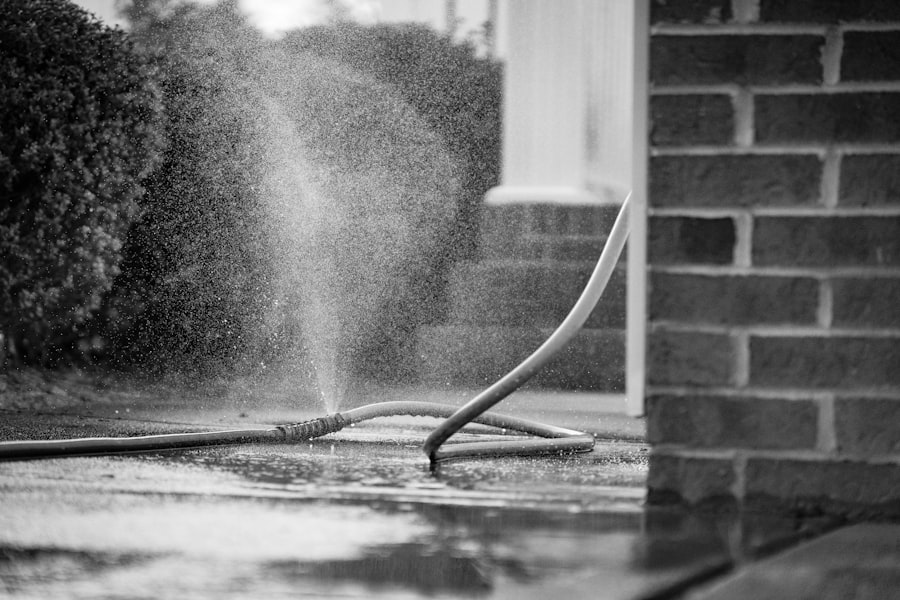
It’s easy to underestimate the sheer power of a pressure washer, even a domestic one. This underestimation, combined with a lack of experience, is often the recipe for disappointment and, unfortunately, costly damage.
Common DIY Pitfalls Leading to Damage
- Eroding Mortar and Grout: A common mistake is using too high a pressure or a too-focused nozzle on paving, leading to the erosion of sand from block paving joints or damage to mortar between patio slabs. This not only looks unsightly but can destabilise the paving.
- Damaging Wood and Decking: Wood is a surprisingly delicate surface when it comes to high-pressure water. Too much pressure can splinter, fuzz, and permanently damage wooden decking or fences, leaving an uneven and porous surface that’s more prone to rot and algae growth.
- Stripping Paint and Sealants: Pressure washing painted surfaces (like walls or garage doors) or sealed driveways can easily strip off the paint or sealant, leading to an even bigger job of repainting or resealing.
- Etching Concrete and Stone: While concrete and natural stone are robust, they aren’t invincible. High pressure or incorrect nozzle usage can etch patterns into the surface, leaving permanent marks or an uneven finish. This is particularly true for softer stones like sandstone.
- Water Ingress and Electrical Issues: Directing high-pressure water towards windows, door seals, or electrical outlets can force water into places it shouldn’t be, leading to leaks, damp, or electrical faults.
The Frustration of Subpar Results
Even if you avoid damage, the limited power of many DIY machines can lead to significant frustration. You might spend an entire weekend painstakingly “cleaning” your patio, only to find that the stubborn black spots remain, or the green algae returns within weeks because the deep-seated spores weren’t truly eradicated. This can feel like a wasted effort and a wasted investment in the machine itself.
Recent consumer and review content consistently highlights this disparity: “hose-to-power-washer” style gadgets often do not match true professional washer performance. This reinforces the point that for tough cleaning tasks, professional equipment delivers superior results because it’s built for the job, not just for convenience.
When to DIY and When to Call in the Pros
So, how do you decide whether to roll up your sleeves or pick up the phone? It boils down to the scale of the job, the type of surface, the severity of the grime, and your own comfort level.
Scenarios Where DIY Pressure Washing Might Suffice
- Light Maintenance: If you’re simply giving your car a quick rinse, cleaning off some fresh dirt from a small patio, or hosing down garden furniture that isn’t heavily soiled, a domestic pressure washer is often perfectly adequate.
- Regular, Preventative Cleaning: For those who pressure wash regularly (e.g., monthly) to prevent heavy build-up, a DIY machine can keep things ticking over.
- Limited Budget: If budget is the absolute primary concern and the job is relatively minor, DIY is certainly the cheaper initial outlay.
Scenarios Where Professional Jet Washing is Highly Recommended
- Heavy Grime, Mould, and Algae: For patios, driveways, and pathways that are heavily encrusted with years of dirt, black spot lichen, thick green algae, or moss, professional equipment and expertise are essential for a truly thorough and lasting clean.
- Delicate or Expensive Surfaces: If you have natural stone paving, delicate brickwork, rendered walls, or expensive decking, the risk of damage with DIY equipment is high. Professionals have the nuance to clean these safely.
- Large Areas: Cleaning a large driveway, a whole house’s exterior, or extensive patio areas with a DIY machine will be incredibly time-consuming and likely lead to uneven results. Professionals can cover large areas efficiently and effectively.
- Deep Stains: Oil stains, rust marks, and other deeply embedded stains often require specialised chemicals and hot water pressure washing that only professionals can provide.
- Roofs and High-Level Cleaning: Cleaning roofs is dangerous and should always be left to professionals who have the correct safety equipment, training, and understanding of how to clean delicate roof materials without causing damage or voiding warranties.
- Preparation for Sealing or Painting: If you’re cleaning a surface as preparation for applying a new sealant or paint, a professional clean ensures the surface is truly clean and ready for the next step, providing a better bond and finish.
Making the Right Choice for Your Property
Ultimately, the choice between jet washing (professional) and DIY pressure washing depends on your specific needs and priorities.
If you’re a homeowner with a small, relatively clean patio and a desire for light, routine maintenance, a good quality DIY pressure washer could be a perfectly reasonable investment. Just remember to always start with the lowest pressure, use the widest spray pattern, and test in an inconspicuous area. Read your machine’s manual thoroughly and never, ever underestimate the power of that water jet.
However, if you’re facing a heavily soiled driveway, a moss-ridden roof, a delicate stone patio, or simply want the best possible, longest-lasting clean without the risk of damage or the hassle of doing it yourself, then investing in a professional jet washing service is almost always the superior choice. Their industrial-grade equipment, specific cleaning solutions, and invaluable expertise ensure a level of cleanliness and safety that is incredibly difficult to replicate with consumer-grade kit.
Think of it this way: for a small scratch on your car, you might use a DIY repair kit. But for a major dent or a respray, you’d head straight to a professional body shop. The same principle applies to keeping your outdoor spaces looking their absolute best. For truly superior results, especially for heavy grime and mould, the professional approach consistently delivers the goods. And in the long run, avoiding costly damage often makes it the more economical choice too!